Frequently Asked Questions
The most-asked questions about performance arts.
What exactly is performance art?
Performance art is a live, time-based practice in which the artist's body, actions, or presence serve as the primary medium, often blending elements of theater, dance, visual art, and ritual. It typically exists only for the duration of the event and resists being reduced to a recorded object.
Who are the foundational figures most associated with the field?
Pioneers like Marcel Duchamp, Merce Cunningham, and Yoko Ono helped shift art toward live, embodied experience in the mid-twentieth century. Later, figures such as Marina Abramović, Joseph Beuys, and the artists of Fluxus cemented performance as a recognized discipline.
What's the best way for a newcomer to start exploring performance arts?
Watching curated video archives of landmark pieces—such as Abramović's 'The Artist Is Present' or Cunningham's 'Rainforest'—gives immediate context. Following festivals like the Edinburgh Fringe, tanzhaus nrw in Düsseldorf, or the performance programs at MoMA and the Tate Modern makes the scene feel accessible.
How does performance art differ from theater or dance?
Theater is generally built around a scripted narrative and character, while dance prioritizes choreographed movement as its core language. Performance art tends to foreground the artist's concept, process, or personal stake, and it often breaks the fourth wall or involves audience participation in ways the other two rarely do.
What are some landmark moments or works every fan should know?
Yoko Ono's 'Cut Piece' (1964), in which she invited audience members to cut her clothing, is a frequently cited turning point. Joseph Beuys's 70-hour 'How to Explain Pictures to a Dead Hare' (1965) and Abramović's 'The Lovers' (1988), in which she walked to the Great Wall of China to meet Ulay, are other canonical references.
Which movements or collectives shaped the field's evolution?
Fluxus, founded in the early 1960s by George Maciunas and others, championed anti-art, chance, and everyday actions as valid artistic gestures. The Living Theatre, the Gutai group in Japan, and the Body Art movement of the 1970s each pushed performance toward new political and physical territories.
Where can I see live performance art today?
Dedicated institutions like Performance Space in New York, the ZKM in Karlsruhe, and the Barbican in London program regular live shows. Biennials and festivals—such as the Venice Biennale's performance strand, the Adelaide Festival, or the Guggenheim's 'Performance' series—also bring the work to wider audiences.
Is performance art a legitimate art form or just a stunt?
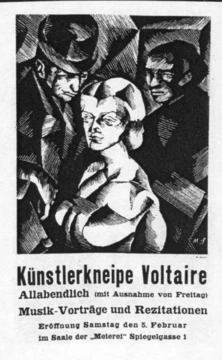
Practitioners and scholars distinguish it from mere spectacle by its conceptual framework, historical lineage, and the artist's sustained engagement with a question or idea. Like any medium, quality varies, but the field has a documented institutional history stretching back to the 1910s Dada cabarets.
How do artists document and preserve work that only exists live?
Because the event is ephemeral, artists rely on video, photography, written scores, witness statements, and sometimes audience recordings to create a record. Institutions like the Getty Research Institute and the Performance Art Archive at the University of the Arts hold extensive documentation collections.
Can I make my own performance art, and what do I need to get started?
No formal training is required; many practitioners come from dance, visual art, writing, or no prior discipline at all. Starting with a simple concept, a defined duration, and a willing space—a gallery, a street corner, a living room—is enough to begin, and local artist-run spaces often offer open-call nights for newcomers.